June 23, 2026
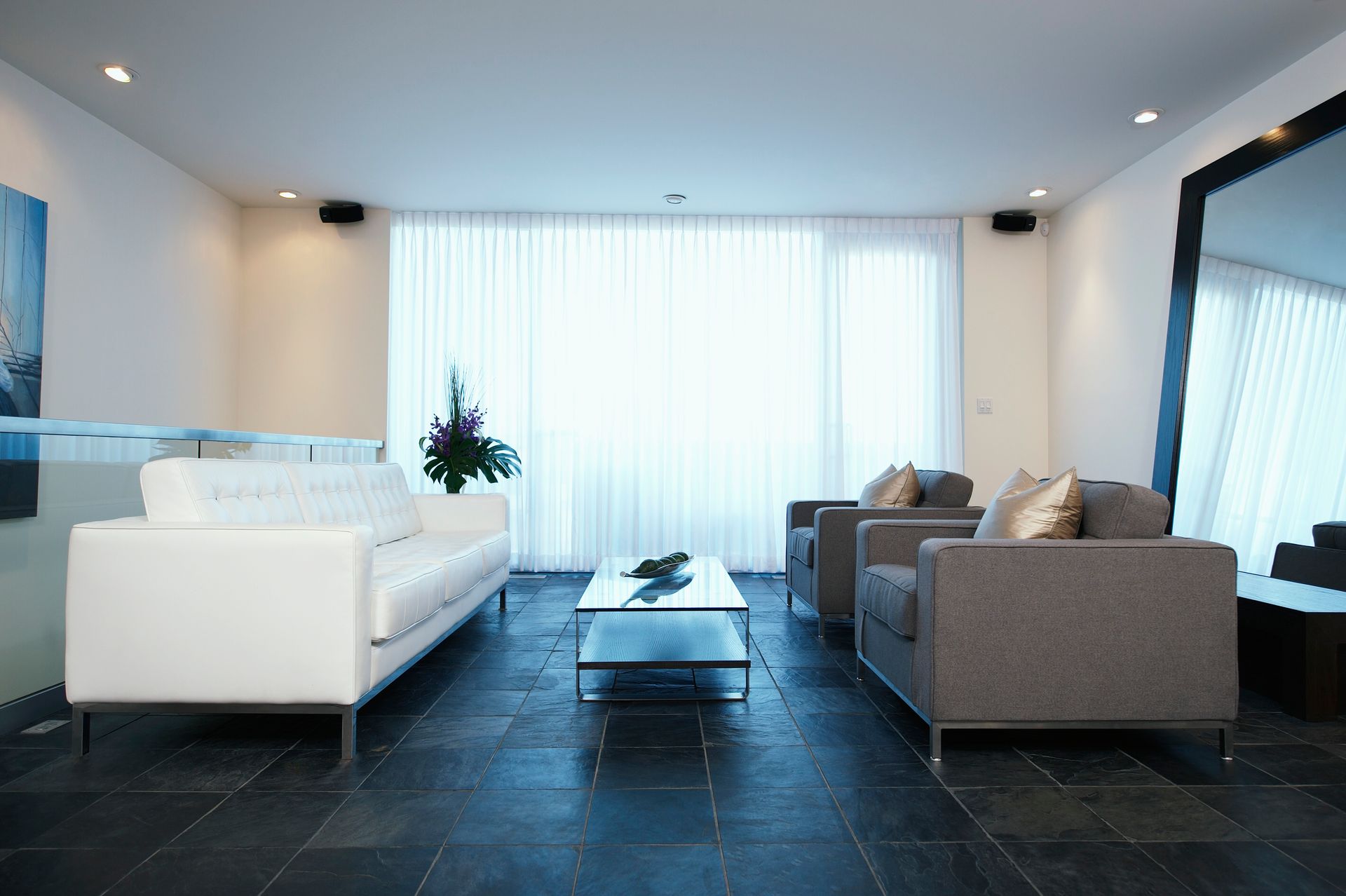
Sunlight can brighten interior spaces and create a welcoming atmosphere, but prolonged exposure can also contribute to fading, discoloration, and gradual wear on furnishings, flooring, artwork, and other interior finishes. While many people focus on protecting outdoor surfaces from the elements, the effects of ultraviolet radiation inside a home or commercial building are often overlooked. Window tinting services offer a practical way to help reduce UV exposure, manage solar heat gain, and improve comfort while preserving the appearance and condition of interior spaces. Understanding how window films work can help property owners make informed decisions about protecting their investments from long-term sun damage.
Recognizing the Limits of Traditional Glass
Despite being a common architectural feature, traditional glass offers minimal protection against intense sun exposure. Standard glass windows primarily serve as barriers to weather but fall short in filtering harmful UV rays effectively. While they may marginally mitigate brightness or glare, they allow significant UV penetration that impacts interior spaces adversely. This deficiency highlights why many property owners consider window tinting services to reinforce UV defense. Understanding the limitations of traditional glass helps illustrate the added benefits of window tinting as a complementary solution.
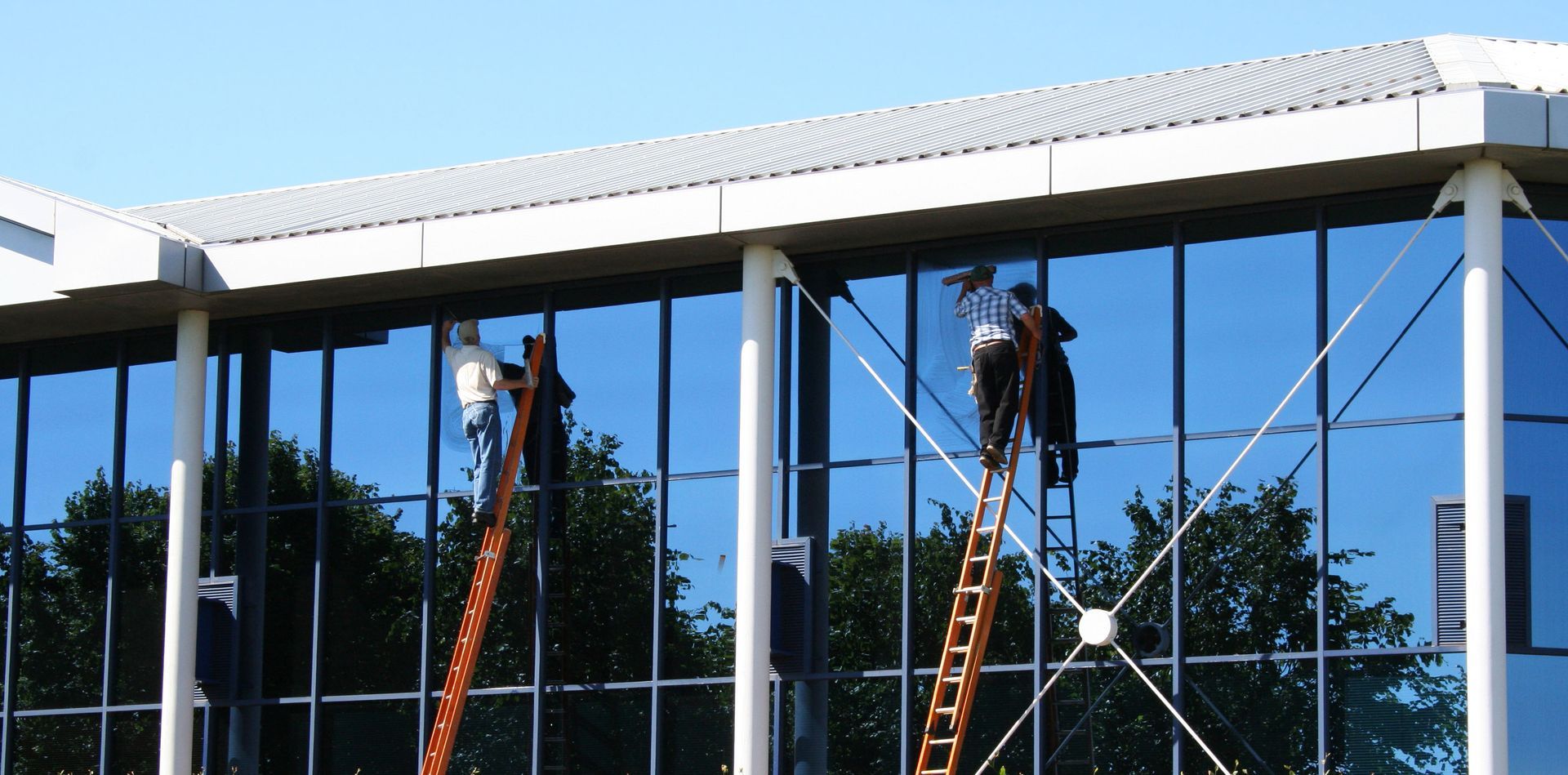
Professional installation helps ensure window film is applied smoothly and performs as intended. According to This Old House, a survey involving 1,000 homeowners demonstrated that 31.4% opted for professional installers primarily to guarantee that the tint was applied correctly. Proper installation can help maximize the film's effectiveness while maintaining the appearance of the glass. Through careful product selection and installation, window tinting services can help property owners improve comfort, reduce glare, and support long-term interior protection.
Protective Interior Solutions
Choosing Films for Sun Protection
Window films are available to address a variety of concerns related to sunlight exposure and indoor comfort. Depending on the goals of the property owner, films may help reduce UV exposure, control solar heat gain, minimize glare, enhance privacy, or improve safety. Residential and commercial buildings often benefit from solutions that help preserve interior furnishings while maintaining comfortable indoor environments. Selecting the appropriate film depends on factors such as window placement, sunlight exposure, and the specific needs of the space. Many property owners explore window tinting services to identify the most suitable option for their property.
Different spaces may require different levels of protection depending on their exposure to sunlight and daily use. Some property owners prioritize glare reduction for improved visibility, while others focus on privacy or minimizing solar heat gain. Window films provide flexibility by addressing multiple concerns simultaneously, allowing solutions to be tailored to individual residential or commercial needs.
Choosing the right film involves balancing functionality, appearance, and performance. By considering the unique characteristics of a property, window film can provide meaningful protection while preserving natural light and maintaining the overall aesthetic of the space. This versatility makes window film a practical solution for many different environments.
Blocking UV Rays With Window Tint Films
Window tint films serve as a crucial barrier against UV penetration by absorbing or reflecting portions of the sun's energy before it enters indoor spaces. Their specialized construction helps reduce exposure to harmful ultraviolet radiation, limiting many of the effects associated with prolonged sun exposure. By effectively reducing UV transmission, window films help preserve interior materials and contribute to a more comfortable environment.
Window films are designed to reduce the amount of harmful ultraviolet radiation and solar heat entering a building through glass. By limiting UV exposure, these films help protect furnishings, flooring, artwork, and other interior surfaces from premature fading and deterioration. Many property owners also appreciate the added comfort that comes from reducing excessive sunlight throughout the day.
The benefits of window film goes beyond UV protection alone. By helping manage heat and glare, they support improved comfort while preserving the condition of interior spaces. This combination of protective and practical advantages makes window film a versatile solution for a variety of residential and commercial applications.
Comparing UV Protection Methods
The efficacy of window tints surpasses many conventional UV protection methods, offering a stable, long-lasting solution to challenges posed by sunlight exposure. Unlike temporary fixes like blinds or curtains, which require consistent manual adjustment, window tints provide a passive deterrent to UV penetration. Their continuous defense mechanism operates without obstructing views or natural lighting, improving comfort without hindering aesthetics. Many property owners choose these services because they can help address multiple concerns through a single solution.
Although some may consider UV protection as secondary to other daylight management solutions, window films provide a balance between visibility, comfort, and protection. Alternatives such as curtains, shades, awnings, or shutters may reduce sunlight but can also limit views or natural light. Window films allow property owners to maintain bright interior spaces while helping reduce UV exposure, glare, and solar heat gain.
Exploring Additional Film Benefits
Beyond helping reduce sun damage, window films can contribute to a more comfortable indoor environment. Many property owners use window film to reduce glare, manage solar heat gain, improve privacy, or add an extra layer of protection to existing glass. These benefits make window film a versatile solution for both residential and commercial properties.
Window films can also support the preservation of interior furnishings by reducing the intensity of direct sunlight. By limiting exposure to harmful rays and excessive heat, they help maintain the appearance and condition of flooring, furniture, artwork, and decorative elements. This added protection can contribute to longer-lasting interior finishes and reduced wear over time.
Applying Film in Different Settings
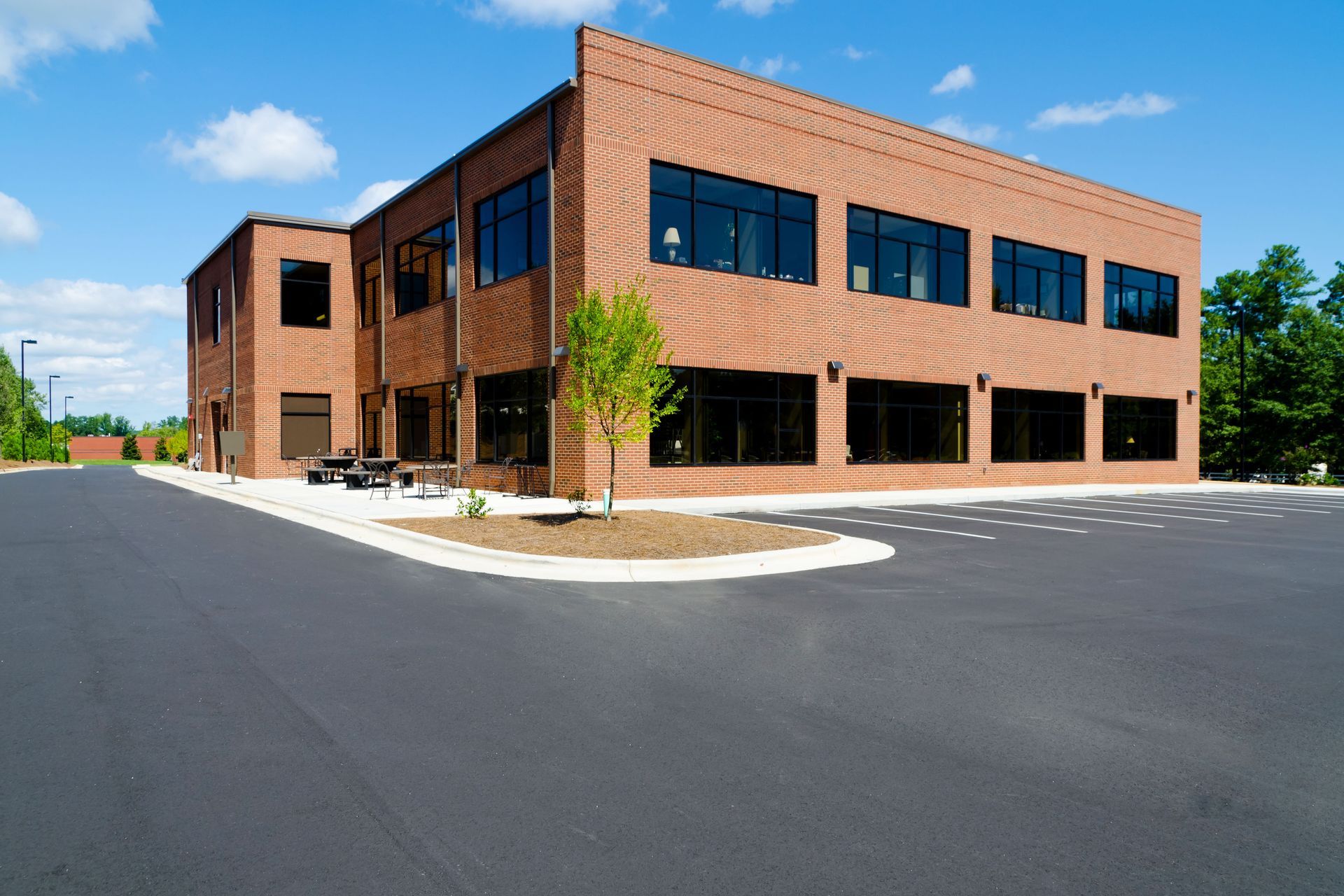
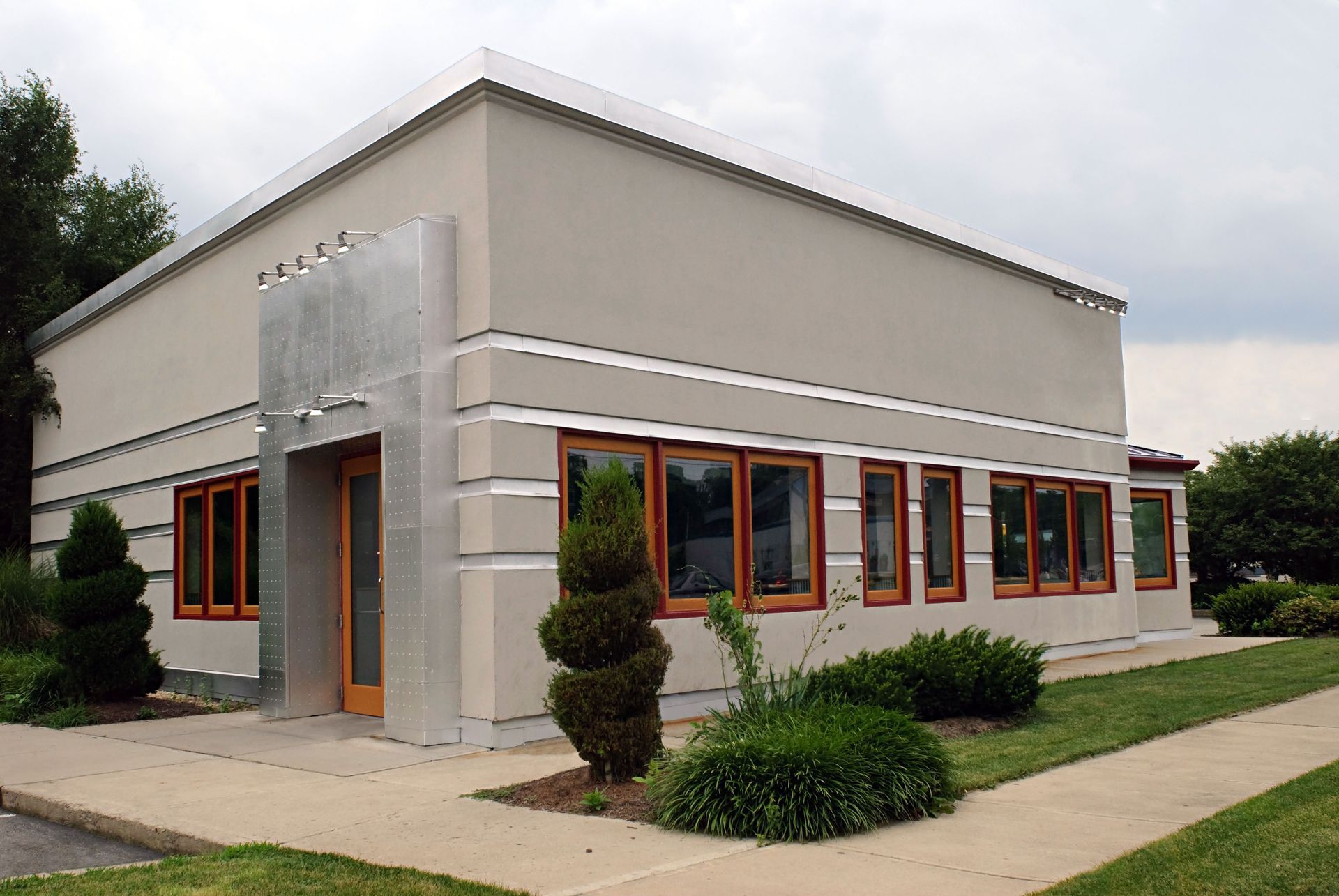
Window film is used in a wide range of residential and commercial settings. Homeowners often choose film to help protect furnishings, flooring, artwork, and interior finishes from prolonged sun exposure. Commercial property owners may use window film to improve occupant comfort, reduce glare, enhance privacy, and help manage solar heat entering the building. Because window films can be applied to existing windows, they offer a practical option for improving comfort and preserving interior spaces without major renovations. For these reasons, window tinting services remain a popular choice across many property types.
Valuable Interior Elements
Protecting Furniture From Fading
Furniture represents a significant investment for property owners, both as functional elements and decorative pieces. Sunlight exposure threatens this investment by fading colors, weakening fabrics, and impacting structural integrity over time. Window tints reduce this risk dramatically, minimizing fading and prolonging furniture lifespan through effective UV filtering. Comparatively, untreated windows permit unregulated sun exposure, fast-tracking material degradation and necessitating premature replacements. By reducing UV infiltration through window tinting, owners can help preserve furniture appearance and resilience while supporting long-term interior protection.
Shielding Artwork and Decor
Artwork and decor contribute personal touches and character to interior spaces, resulting in distinctive environments that reflect creativity and style. However, these treasures are particularly susceptible to sun-induced damage, compromising color vibrancy and material longevity when unprotected. Ultraviolet rays deteriorate pigments and textures, diminishing visual appeal and value over time. Window tinting serves as an essential line of defense, sheltering artwork and decorative elements through efficient UV reduction and helping preserve their appearance for years to come.
Reducing the effects of prolonged sun exposure can help preserve the appearance and condition of interior spaces while creating a more comfortable environment throughout the year. Window film offers a practical way to address concerns such as UV exposure, glare, solar heat gain, privacy, and fading without dramatically changing the look of existing windows. Whether for a home or commercial property, these solutions can support long-term interior protection and everyday comfort. To learn more about available film options and the benefits of window tinting services, contact Comfort Zone Window Tinting, LLC for additional information.