July 20, 2026
Modern office buildings feature expansive glass panels that offer sweeping views. These architectural elements create bright atmospheres for corporate activities. Unchecked solar penetration creates diverse challenges for facility managers. Excessive sunlight disrupts daily operations, degrades workplace conditions, and causes severe discomfort. Companies ignore these subtle warnings until minor problems escalate into major operational hurdles. A proactive approach involves evaluating the work environment for specific red flags.
Recognizing the symptoms of solar interference prevents minor irritations from becoming major financial drains. Facility operators must monitor temperature fluctuations, glare levels, and fading furniture. Addressing these issues at the onset improves workplace morale and protects company assets from irreversible damage. Investing in architectural upgrades like commercial window tinting mitigates these negative effects. Acknowledging the clear indicators of solar disruption ensures a comfortable and productive commercial space.
When Employee Comfort Plummets During Afternoon Hours
Productivity depends upon consistent physical comfort within the office environment. Workers stationed near untreated glass panes experience intense heat during afternoon shifts. The thermal load increases ambient temperatures near the perimeter of the building. This massive heat disparity makes certain zones uninhabitable for staff. Personnel sweat over keyboards and move desks away from the glass to escape the brutal sun. Such conditions ruin workflow.
Glare presents another substantial obstacle for dedicated office staff. Direct rays reflect off computer monitors and create harsh visual conditions across the floor. Staff members squint at screens, causing severe eye strain and persistent headaches. These physical ailments decrease overall output and increase absenteeism among crucial personnel. Employees unable to see their monitors cannot perform standard duties. The resulting frustration damages morale across entire departments.
Traditional solutions like blinds and curtains obstruct natural light in its entirety. Closing shades forces reliance on artificial lighting, defeating the purpose of having large architectural windows. Artificial lighting creates sterile environments lacking the mood-boosting benefits of outdoor views. Constant reliance on overhead fluorescent bulbs induces fatigue and further strains human eyes.
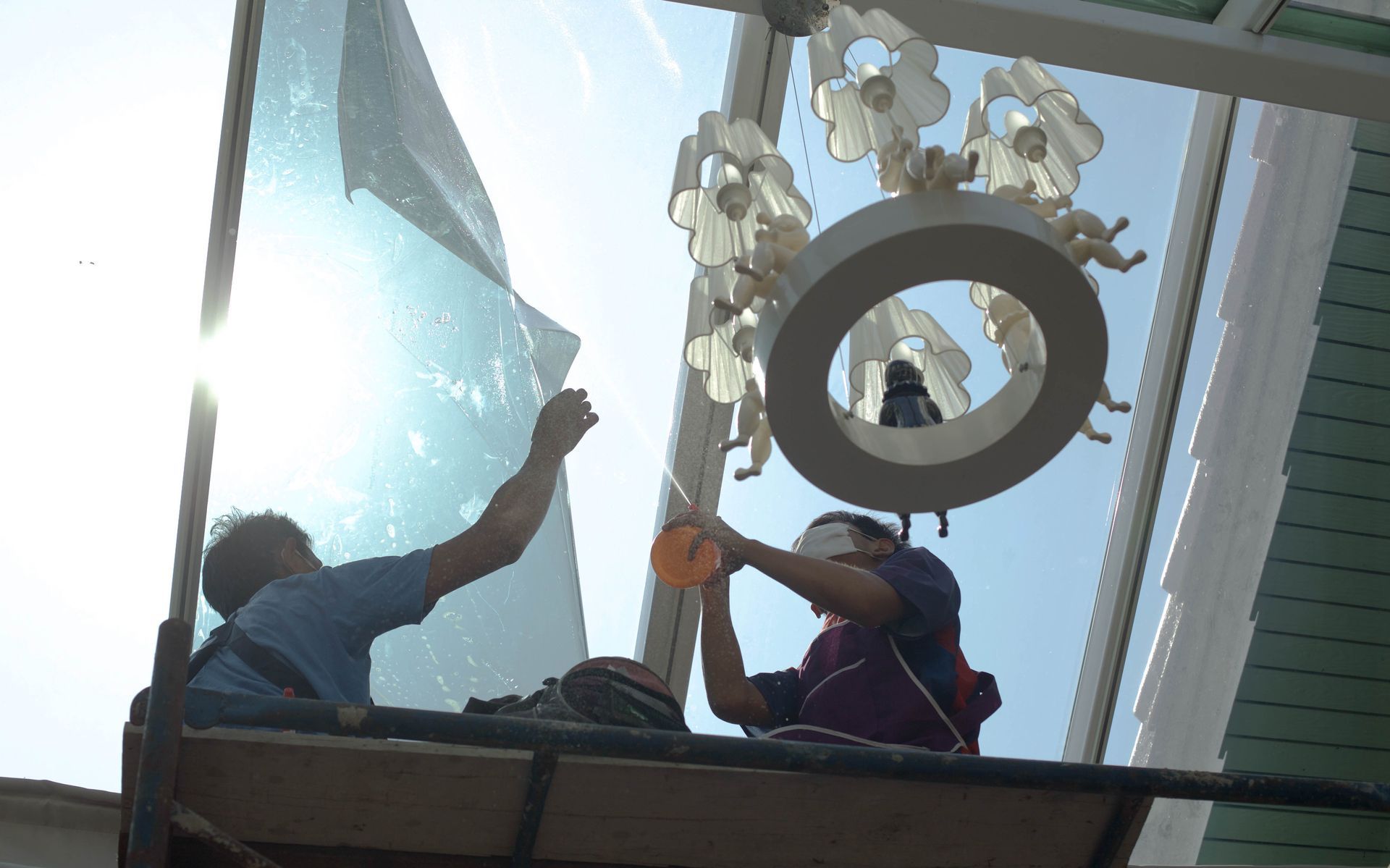
Installing commercial window tinting filters harsh rays while maintaining beautiful external views. The specialized film blocks harmful ultraviolet radiation while allowing pleasant visible light to pass through the glass. Employees enjoy bright workspaces without suffering from thermal discomfort or blinding screen glare. Upgrading the facility's glass transforms miserable perimeter desks into desirable, productive workstations. This structural improvement fosters a healthier work environment for the corporate team.
When Energy Expenses Skyrocket Throughout The Year
Climate control systems consume large amounts of electricity in corporate buildings. Untreated glass allows solar heat to pour into the facility without resistance. This constant influx of thermal energy forces air conditioning units to operate at maximum capacity. HVAC systems strive to maintain consistent temperatures across expansive floor plans. The continuous operation of these big machines drives utility bills to unprecedented heights during peak summer months.
Mechanical stress accelerates wear and tear on essential cooling equipment. Maintenance crews must repair overworked compressors and replace internal filters with alarming regularity. Facility budgets suffer from these unexpected and expensive repair costs. Overworked units face premature failure, requiring complete replacement long before their anticipated lifespan ends. Shielding the building from external heat intrusion prevents this mechanical exhaustion and saves the organization significant capital over time.
Managers analyzing annual budgets will spot these rising operational costs with ease. A sudden spike in electricity usage points straight to inefficient thermal regulation within the building envelope. Windows lacking protective layers act as heat funnels during warm seasons. During cold months, untreated glass allows interior warmth to escape outward into the freezing air. This bidirectional energy loss makes climate control an expensive, uphill battle.
Applying commercial window tinting provides an immediate thermal barrier against outside temperatures. The specialized film reflects solar heat away from the building exterior during summer. This insulation reduces the immense burden placed on mechanical cooling systems. Lowering HVAC usage decreases monthly overhead and extends the usable lifespan of expensive climate control equipment. The reduction in energy consumption promotes a greener corporate footprint while protecting the bottom line.
When Interior Furnishings Suffer Irreversible Sun Damage
Corporate environments house expensive assets, including leather chairs, wooden conference tables, and vibrant carpets. Prolonged exposure to direct sunlight causes severe damage to these valuable materials. Ultraviolet rays break down the chemical bonds in dyes, fabrics, and wood finishes. This chemical degradation manifests as dull, faded patches on expensive office decor. Natural light bleaches vibrant colors, turning pristine executive suites into worn, neglected spaces.
Artwork and decorative fixtures fall victim to relentless solar radiation. Paintings lose their vibrancy, and framed photographs turn yellow over time. Facility managers notice these striking changes when moving furniture, revealing stark color contrasts between shaded areas and exposed flooring. Replacing ruined items drains capital from the annual improvement budget. Organizations spend large amounts on interior design, making asset protection a financial priority for management.
Business owners underestimate the speed of ultraviolet destruction. Retail stores face particular vulnerability regarding merchandise displayed in bright storefronts. Clothing, electronics, and packaged goods deteriorate before reaching the customer. Protecting valuable inventory requires filtering the incoming light spectrum. Damaged goods require deep discounts, slashing profit margins on premium items. Preserving the pristine condition of retail stock mandates a barrier between the merchandise and the destructive solar rays.
Integrating commercial window tinting blocks incoming harmful ultraviolet radiation. This protective layer acts as a sunscreen for the building's interior. According to This Old House, one crucial factor for measuring how dark a tint will be is the percentage of Visible Light Transmission, with smaller numbers signifying a much darker film. Selecting the correct transmission level preserves interior assets without plunging the room into darkness. Furniture remains vibrant.
When Privacy Concerns Compromise Standard Daily Operations
Ground-level offices face unique challenges regarding outside observation from the street. Pedestrians and competitors possess the ability to peer into boardrooms and executive suites. Sensitive information displayed on presentation boards remains visible to casual passersby. This lack of confidentiality threatens corporate security and jeopardizes client confidentiality. Maintaining strict secrecy during product development or financial planning becomes impossible with transparent exterior walls. Competitors gather intelligence by observing.
Medical facilities and financial institutions require absolute discretion for their patrons. Clear glass partitions fail to provide the necessary seclusion for sensitive meetings or private treatments. Drawing heavy curtains creates an unwelcoming, fortress-like atmosphere for visiting guests. Clients feel uneasy when their private consultations happen in full view of public thoroughfares. Ensuring absolute discretion remains a primary duty for management in these specialized sectors.
Internal privacy matters as much as external security. Glass-walled conference rooms offer no visual barrier during crucial negotiations between departments. Staff members get distracted by hallway traffic, losing focus on critical tasks at hand. Balancing an open-concept aesthetic with functional privacy challenges interior designers. Open designs foster collaboration, yet distinct boundaries remain essential for focused, concentrated workflows. Distractions limit the effectiveness of the entire workforce.
Utilizing commercial window tinting solves these visibility issues with immense elegance. Reflective and frosted films prevent outsiders from viewing interior activities. Staff can observe the outside world while remaining hidden from exterior view. This strategic modification protects proprietary data and enhances overall building security. Business operators maintain a beautiful, modern aesthetic while securing the premises against unwanted observation. Employees perform their duties with peace of mind.
Maintaining an optimal corporate environment requires constant attention to building performance. Excessive heat, irritating glare, rising utility costs, fading furniture, and compromised privacy indicate inadequate glazing performance. Ignoring these symptoms leads to diminished productivity and inflated operating expenses over time. Recognizing these structural weaknesses represents the initial step toward workplace optimization. Upgrading the facility infrastructure creates lasting, tangible benefits for everyone inside the building envelope.
Modern businesses demand functional, comfortable, and secure operating spaces. Commercial window tinting addresses multiple architectural shortcomings in a comprehensive application. Facility operators observing these warning signs should evaluate their glazing systems without delay. Implementing this specific building enhancement produces measurable improvements in climate control, asset longevity, and workplace satisfaction. An optimized office fosters success, protects valuable assets, and provides a superior environment for daily operations. If you recognize any of these warning signs in your facility, please reach out to us at Comfort Zone Window Tinting, LLC today. We are fully prepared to provide a tailored commercial window tinting solution that will immediately elevate your workplace comfort and security.